





Cross estimating method
The cross estimating method is a technique that involves using data from similar completed projects to estimate the cost of a new project. It is often used when there is limited information available on the new project or when there are significant uncertainties in the project scope, schedule, or other variables.
The accuracy of the cross estimating method depends on the quality and relevance of the data used in the analysis. It is important to ensure that the completed projects used for comparison are truly comparable to the new project and that any adjustments made to the cost data are based on sound reasoning and reliable data sources.
The first step is to identify completed projects that are similar in scope, size, complexity, and other relevant characteristics to the new project. This involves conducting research on completed projects in the same industry, geographic location, and with similar project requirements.
Once similar completed projects have been identified, the next step is to collect cost data on those projects. This can include data on labour costs, material costs, equipment costs, overhead costs, and other relevant costs associated with completing the projects.
The cost data collected from the completed projects may need to be adjusted to account for differences in inflation, location, market conditions, and other factors that may impact the cost of the new project. For example, if the projects were completed several years ago, adjustments may need to be made for inflation.
Once the cost data has been collected and adjusted, the next step is to calculate the cost for the new project. This involves using the cost data from the completed projects as a benchmark and making adjustments based on the unique characteristics of the new project.
Finally, the cost estimate should be verified to ensure that it is reasonable and accurate. This can be done by comparing the estimate to other cost estimates for similar projects, conducting a sensitivity analysis to assess the impact of changes in key variables, and seeking input from experts and other stakeholders.
[edit] Related articles on Designing Buildings
Featured articles
Check out some of the best features and news from Designing Buildings as well as key stories from around the web.

The heritage of nuclear and conventional power stations.
New measures to stop people being ripped off

Government to protect families from cowboy builders and aggressive bailiffs.

New Futurebuild showcase brings an innovation-first approach.
National Planning Policy Framework
Understanding the 2026 changes.
ECA's public affairs priorities

Member consultation opens to shape priorities for 2027 to 2030.

Dutyholder responsibilities from 1 July 2026.
Where performance meets practice

The Building Envelope Stage at UKCW Birmingham.
CIAT publishes briefing on planning reforms.
Leaders in Learning for Practice Network

Call for conservation leaders in learning to register interest in new network.
The importance of early engagement

Construction lessons from the Trillium HealthWorks Experience Centre.
Mayors are to be given planning call in powers

Mayors across England will be able to make the most important planning decisions.
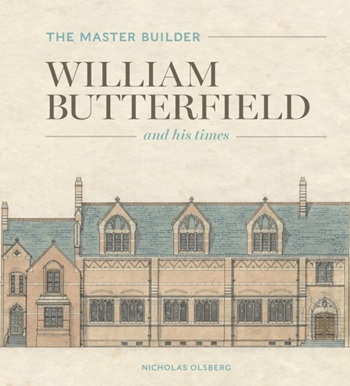
The Master Builder: William Butterfield and his times. Book review.
Comments
[edit] To make a comment about this article, or to suggest changes, click 'Add a comment' above. Separate your comments from any existing comments by inserting a horizontal line.